Alex
Alex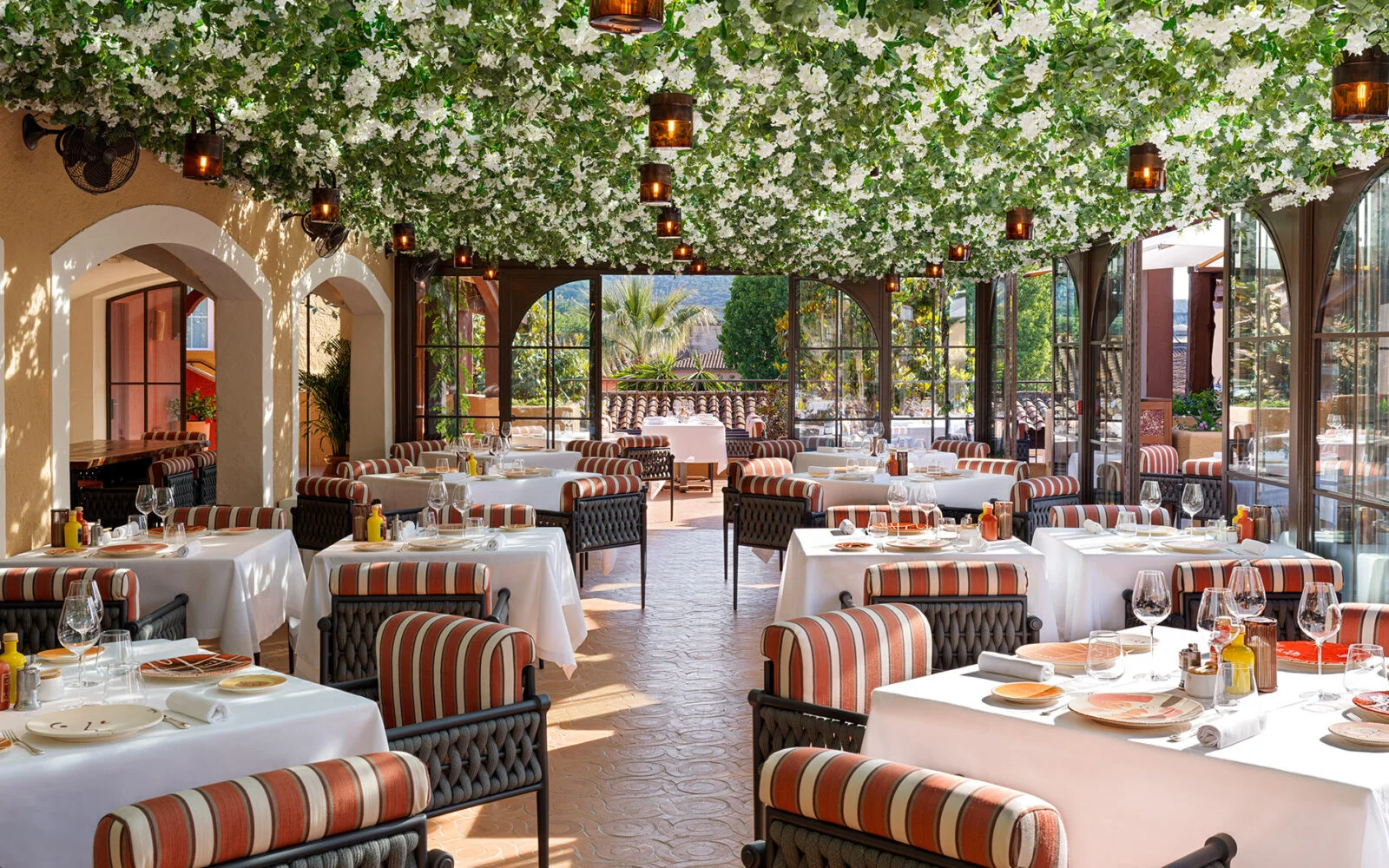
The concept of a restaurant has dramatically evolved over the past few decades. What was once a simple place to grab a meal has become an integral part of social life, culture, and even technology. Restaurants now offer a blend of gastronomy, entertainment, and personalized experiences that cater to diverse tastes and lifestyles.
The Social Role of a Restaurant
A restaurant is more than just a place to eat—it is a social hub. Friends gather for celebrations, families share quality time, and business professionals conduct meetings over meals. The social aspect of dining has made restaurants key players in community building. Restaurants that encourage a sense of connection through communal tables, interactive dining experiences, or live events are increasingly popular among modern diners.
Moreover, themed restaurants provide immersive experiences that allow guests to feel like they’ve stepped into a different world. For example, a medieval-themed restaurant or a rainforest-inspired eatery can turn a simple meal into a memorable outing. This trend highlights how restaurants are tapping into the human desire for entertainment alongside dining.
Culinary Creativity in Modern Restaurants
The menu is at the heart of every restaurant, and innovation has become essential for success. Chefs are experimenting with fusion cuisine, blending flavors from different cultures to create dishes that surprise and delight diners. Restaurants that adapt to culinary trends, such as plant-based diets, low-carb meals, and allergen-friendly options, appeal to a broader audience while staying relevant in a competitive industry.
Farm-to-table practices have gained traction in many restaurants, emphasizing fresh, local, and sustainable ingredients. Not only does this support local farmers, but it also allows restaurants to offer seasonal dishes that are flavorful and environmentally conscious.
Technology’s Impact on Restaurants
Technology has reshaped the restaurant industry in unprecedented ways. Online ordering platforms and delivery apps have expanded the reach of restaurants beyond their physical locations. A restaurant that previously served only local diners can now deliver meals across the city, increasing revenue and brand visibility.
Digital menus, mobile payment options, and reservation apps improve convenience for both customers and staff. Some restaurants use AI tools to analyze customer preferences and suggest menu items, creating a personalized dining experience. This integration of technology ensures that restaurants stay competitive and meet the expectations of tech-savvy consumers.
The Importance of Service in Restaurants
While food quality is paramount, service remains a critical factor in a restaurant’s success. Friendly, attentive staff can transform an ordinary meal into a memorable experience. Restaurants that invest in staff training, teach menu knowledge, and prioritize customer satisfaction often see repeat business and positive reviews.
Attention to small details, like customizing meals for special dietary needs or remembering regular customers’ preferences, helps build loyalty. Excellent service ensures that a restaurant not only attracts diners but also keeps them coming back.
Sustainability in Modern Restaurants
Sustainability has become a priority in the restaurant industry. Many restaurants are adopting eco-friendly practices, such as reducing food waste, using biodegradable packaging, and sourcing ingredients responsibly. This approach not only benefits the environment but also appeals to customers who value ethical and sustainable practices. A restaurant that demonstrates social responsibility often gains a stronger reputation and a loyal customer base.
Conclusion
Today’s restaurant is a dynamic combination of food, service, technology, and social experience. Restaurants are no longer just places to eat; they are venues for entertainment, culture, and connection. By embracing culinary innovation, prioritizing service, and adopting sustainable practices, restaurants can thrive in a competitive market while creating unforgettable experiences for their guests.
Whether you’re visiting a local diner, a family-friendly eatery, or a high-end fine dining restaurant, the modern restaurant continues to evolve, offering more than just meals—it offers memories.


 Rolando Corley